Navigating the Challenges and Resilience of the Global Supply Chain
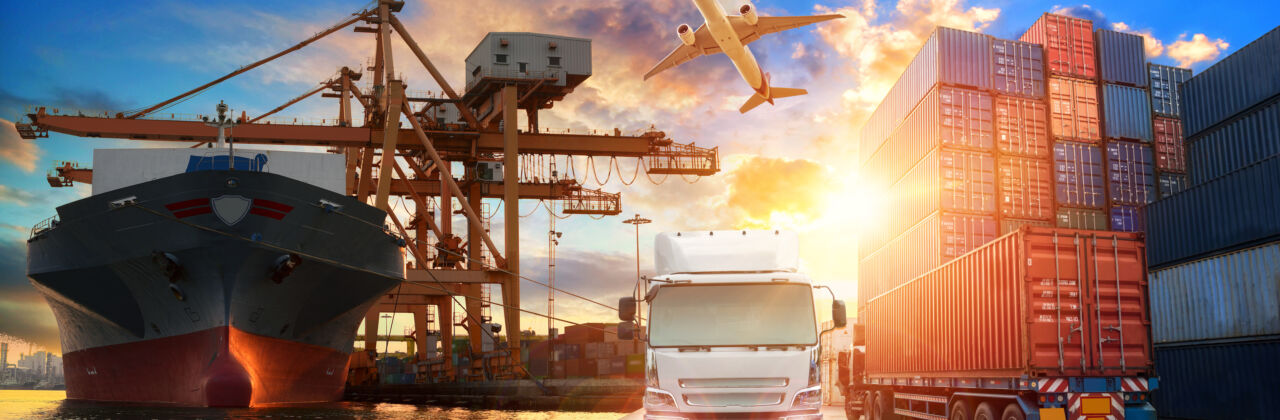
In the wake of the COVID-19 pandemic, the fragility and complexity of the global supply chain came into sharp focus. The disruptions caused by the pandemic led to delays, shortages, and empty store shelves, bringing the term "supply chain" into everyday conversations. This article explores the challenges faced by the global supply chain and the remarkable resilience demonstrated by companies in adapting to unforeseen circumstances.
Understanding the Global Supply Chain
The global supply chain is a vast and intricate network responsible for ensuring that products reach consumers. It involves multiple stages, from raw material extraction and processing to manufacturing, warehousing, transportation, and delivery. Each step in the supply chain plays a crucial role in getting goods to their intended destinations.
The Impact of the COVID-19 Pandemic
The COVID-19 pandemic presented unprecedented challenges to the global supply chain. Lockdowns, travel restrictions, and factory closures disrupted the flow of goods across borders and within countries. Companies worldwide, including manufacturing plants and suppliers, were forced to halt operations, leading to significant disruptions in the availability of products.
Resilience and Adaptation
Despite the initial shock, companies demonstrated resilience and adaptability in response to the pandemic's impact on the supply chain. Measures were implemented to ensure the safety of employees, such as remote work options and enhanced health protocols. Some companies continued to provide salaries to workers during shutdowns, fostering loyalty and preserving the workforce.
Supply Chain Adjustments
To address the challenges arising from the pandemic, companies had to make adjustments to their supply chain strategies. This included reevaluating inventory management, diversifying supplier networks, and enhancing communication and collaboration within the supply chain. Flexibility and agility became crucial attributes in responding to rapidly changing market conditions and customer demands.
Digitization and Technology
The pandemic highlighted the need for improved technology and digitalization within the supply chain. Companies have invested in advanced systems, such as SAP, to enhance inventory tracking, order management, and demand forecasting. These technological advancements enable better decision-making, faster response times, and increased efficiency in managing the flow of goods.
The Importance of Collaboration and Communication
The pandemic emphasized the critical role of collaboration and communication within the supply chain. Close coordination between suppliers, manufacturers, distributors, and retailers became essential to ensure the uninterrupted flow of goods. Companies that fostered strong relationships with partners and prioritized open lines of communication were better positioned to overcome disruptions and mitigate the impact on customers.
Building Resilience for the Future
The lessons learned from the pandemic have prompted companies to prioritize supply chain resilience. This includes diversifying sourcing and production locations, implementing risk management strategies, and investing in contingency plans for future crises. Companies are reevaluating their supply chain priorities, moving beyond cost optimization to focus on factors such as supplier reliability, flexibility, and the ability to meet changing customer demands.
The COVID-19 pandemic exposed the vulnerabilities of the global supply chain, but it also highlighted the resilience and adaptability of companies in navigating unprecedented challenges. The crisis accelerated the adoption of digital technologies and emphasized the importance of collaboration and communication within the supply chain ecosystem. As companies rebuild and fortify their supply chains, the lessons learned from this crisis will undoubtedly shape a more resilient, agile, and customer-centric global supply chain in the future.
Latest Insights

Access matters: unlocking success with the chamberlain group
Access matters: unlocking success with the chamberlain group

Connected Podcast #10: "Safety Is Our Way of Life, Always"
Contact Us
If you're a member of the media and you'd like to get in touch with our Communications team, please fill out the form below.